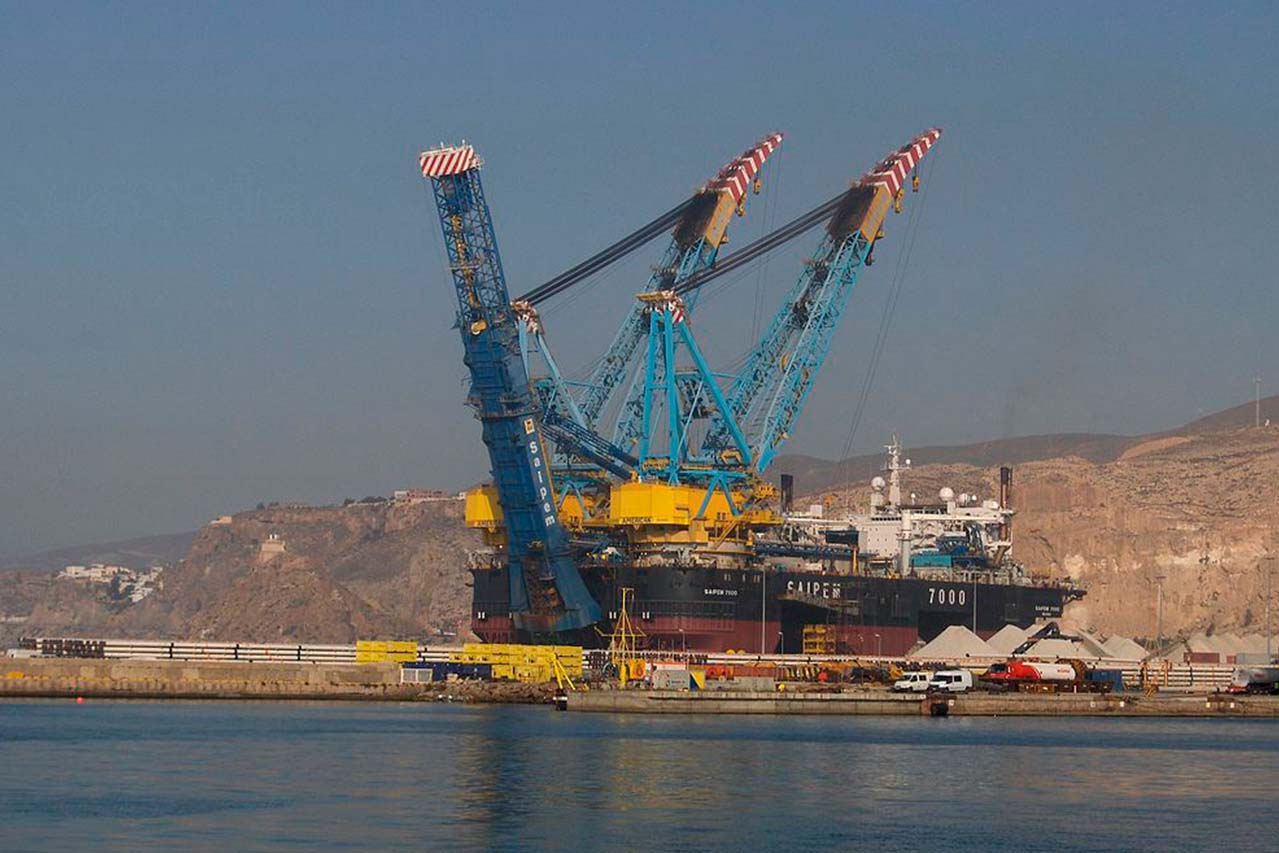
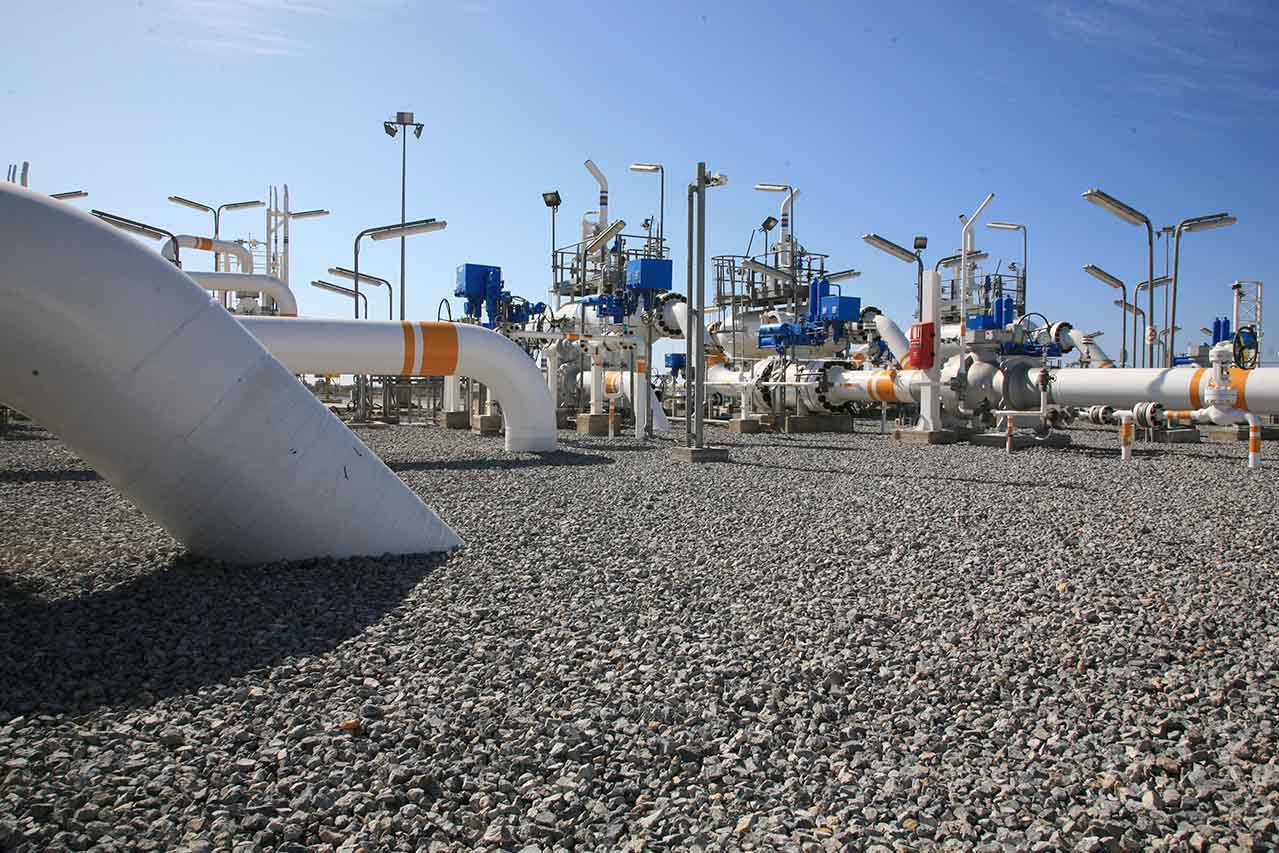
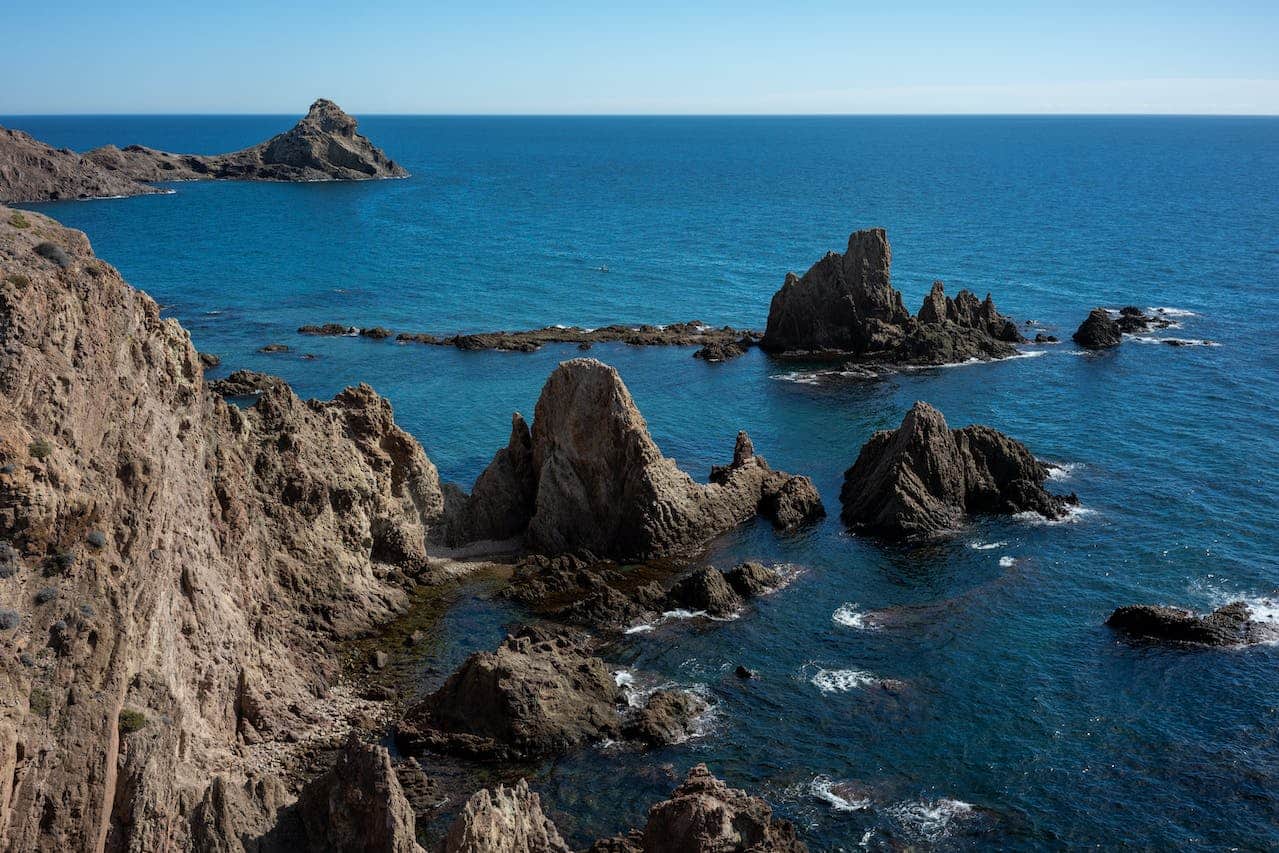
MEDGAZ is a consortium of five leading international energy companies, with a long and proven track record in the gas business and renowned worldwide for their technical expertise and financial strength. The aim of the company is to design, build and operate an Algerian-European gas pipeline, via Spain.
Because it ensures a secure supply for both Spain and the rest of Europe and meets the growing demand for natural gas. Numerous studies undertaken by energy companies and regulators forecast that consumption, and therefore, demand for natural gas in Spain will continue rising sharply. Furthermore, since Spain has very limited gas reserves, it relies heavily on natural gas imports. MEDGAZ has the advantage of directly connecting sizeable fields in Algeria to Europe in a cost-effective way, according to several international energy pundits, such as the Mediterranean Energy Observatory (OME) Observatoire Méditerranéen de l'Energie and Wood Mackenzie.
MEDGAZ will build and operate a
sub sea gas pipeline from Beni Saf on the Algerian coast up to landfall
on the Spanish coast of Almeria. MEDGAZ will also be in charge
of building and managing the compressor station in Beni-Saf, and the receiving
terminal in Almería. MEDGAZ is part of a major Project that will
join Algeria with Europe through a direct link-up from the Hassi R'Mel
gas fields and hub to the Spanish gas grid in Albacete.
See
pipeline route.
Having obtained all the administrative authorizations, MEDGAZ is now in the construction phase. MEDGAZ has awarded the EPC (Engineering Procurement & Construction) contracts to start building the gas pipeline. The partners have also signed a new shareholders agreement and approved the final cost. The Spanish Cabinet, upon proposal by the country's Ministry of Industry, Tourism, and Trade, resolved to assign MEDGAZ priority "A" status ("priority project").
MEDGAZ envisages that the pipeline will be fully operative in 2009, as set out in the timeline established in the Cabinet Resolution, which awarded MEDGAZ the category of a "priority project". In any case, MEDGAZ will adjust its calendar based on the agreements reached with Algerian and Spanish authorities. See Timetable.
The idea of building a direct gas pipeline between Algeria and Europe arose in the 1970's. Back then, feasibility studies were conducted, but technical limitations at that time prevented the construction and operation of a gas pipeline in ultra-deep waters. More than two decades later, when more advanced engineering technologies made it possible to execute this type of sophisticated work, CEPSA and Sonatrach reassessed the project in association with a group of major multinational companies.
The marine survey is now completed. Between
2002 and 2004, MEDGAZ entrusted the task of performing a series
of complex and exhaustive marine surveys to five specialized engineering
companies, which analyzed the morphology of the sea bed, studied the flora
and fauna, carried out seismic surveys and determined how to lay the pipeline,
using the most leading-edge and environmentally-friendly technologies
available for this purpose.
Based on these reports, a definitive route was determined. All of them
conclude that the route chosen by MEDGAZ minimizes both geotechnical
risks as well as those to environmentally-sensitive areas, protects local
biological species, avoids crossing through natural obstacles on the sea
floor and offers ideal geophysical conditions for the pipeline.
The initial capacity will be 8 BCM/year,
but MEDGAZ will consider doubling this capacity in a second phase
through the construction of a parallel pipeline, if future demand warrants
it.
See
technical file.
MEDGAZ will be a transportation company. Each of MEDGAZ's partners will handle its own marketing and distribution.
No, not with currently-available technologies. Over the last few years, technologies have made major strides and the construction of gas pipelines in ultra-deep waters is perfectly feasible. A good example of this is the Blue Stream Pipeline that connects Russia with Turkey through the Black Sea, reaching a maximum depth of 2,150 meters, or the Mardi Gras Pipeline in the Gulf of Mexico. On the other hand, the choice of the Beni Saf-Almeria route is based on a series of very thorough and comprehensive geophysical and geotechnical studies, all of which conclude that the chosen route is technically feasible. In this respect, MEDGAZ will use the most cutting-edge technology on the market.
As has been shown on other occasions, the entry of natural gas attracts industry and therefore, generates wealth. Additionally, a local labor force will be needed during the construction phase, and as a result MEDGAZ will create jobs. Lastly, MEDGAZ will facilitate access to natural gas in a province (Almería) that currently lacks this energy source.
Almería is the only Spanish province on the mainland that has no direct access to natural gas. MEDGAZ will make it easier to market and distribute this hydrocarbon, meeting growing demand in the province. On the other hand, it is the most direct and technically-feasible link between large gas fields in Algeria (in Hassi R'Mel) and Spain. Almería offers a strategic vantage point within Spanish territory, not only because of its coastal location but also the physical-geographical features of its landscape and topography, which are ideal for the construction of this type of pipeline.
Both the technology used as well as the controls and mechanisms applied in installing and subsequently maintaining them make gas pipelines and their reception and metering facilities (such as those that are planned to be deployed in Almería) are completely safe. The chances of a breakage or accident are minimal.
During the construction period, the necessary measures will be taken to guarantee an absolutely sure-fire installation and minimize the likelihood of a failure or accident. As regards operating the pipeline, a very stringent preventive maintenance program is in place to avoid any kind of breakdown.
The only impact from this type of project takes place during the construction phase. This impact is minimal due to the location and layout of the infrastructures and the implementation of measures to enhance the environmental profile. On the other hand, operating the pipeline poses no environmental impact in itself; its presence does not affect the environment in any way. Once work is completed, the gas pipeline will be buried and the landscape will recover its original state.
Yes. In fact, in compliance with existing legislation, a Summary Report was handed in to the Ministry of Environmental Affairs. Feedback received was taken into account in deciding on the route, establishing remedial measures and drawing up the environmental monitoring plan.